Tent Floor Comparison: Bathtub Heights, Dry Sleep, Durability
By Aisha Mbaye • 11th Oct
Quick verdict
A bathtub floor can raise the floor-to-wall seam above pooled ground water, but neither listed tent has documented bathtub construction or height. Choose based on disclosed specifications, site protection, inspection, and care—not undisclosed details alone.
- Choose the High Peak if: A retailer-listed polyethylene floor and its published dimensions fit your needs, while recognizing that the listing does not verify bathtub-floor design or height.
- Choose the Amazon Basics alternative if: Its listed three-season, freestanding dome configuration and 7-by-5-foot footprint suit your space needs; its floor material and bathtub details remain undisclosed.
- Main trade-off: A raised seam may reduce one ground-water entry path, but no universal height guarantees dryness.
Important: The available product details are retailer claims, not manufacturer documentation or independent testing. Confirm floor construction and seam height before treating either tent as a bathtub-floor choice.
A useful tent floor comparison begins with construction, not a waterproof label. A bathtub tent floor raises the floor material up the lower walls before it joins the tent body, moving that floor-to-wall junction above the ground. That geometry can matter on wet campsites, but it is not a promise that any tent will stay dry in every storm. For families, couples, and dog owners trying to avoid a damp, trip-ending night, the practical questions are: Where is the seam? Is the floor protected from abrasion? Can I remove debris and grit before they abrade or puncture it?
Buy once, sleep well, fix forever when you can.
What Is a Bathtub Tent Floor, and What Does Its Height Tell You?
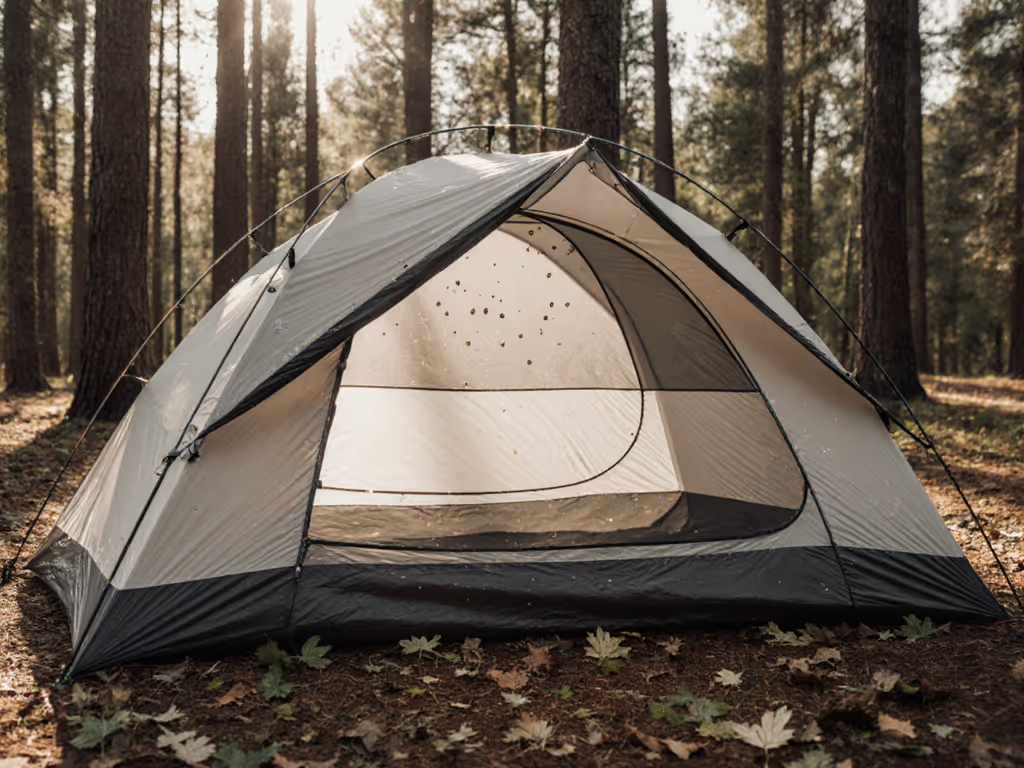
A bathtub floor is a construction detail: the floor fabric continues a few inches up the tent sides, creating a shallow basin before the material attaches to the wall. Its main advantage is simple. The seam where floor meets wall sits above the ground rather than directly in contact with it.
On a wet site, that raised seam can reduce one possible route for pooled surface water to reach the interior, but careful campsite selection remains essential. Water would have to rise to the level of the junction before it could enter there. That is useful design logic, but it is not a controlled performance rating, and it does not account for every source of water in a tent.
A stated wall depth can help you visualize the design, but do not treat one number as a universal score. For example, Six Moon Designs describes its 3D UL Groundsheet (a floating bathtub-floor accessory for specific tents) as 5 inches deep. That tells you what a clearly stated dimension looks like. It does not establish that 5 inches is necessary, sufficient, or better for every tent and campsite.
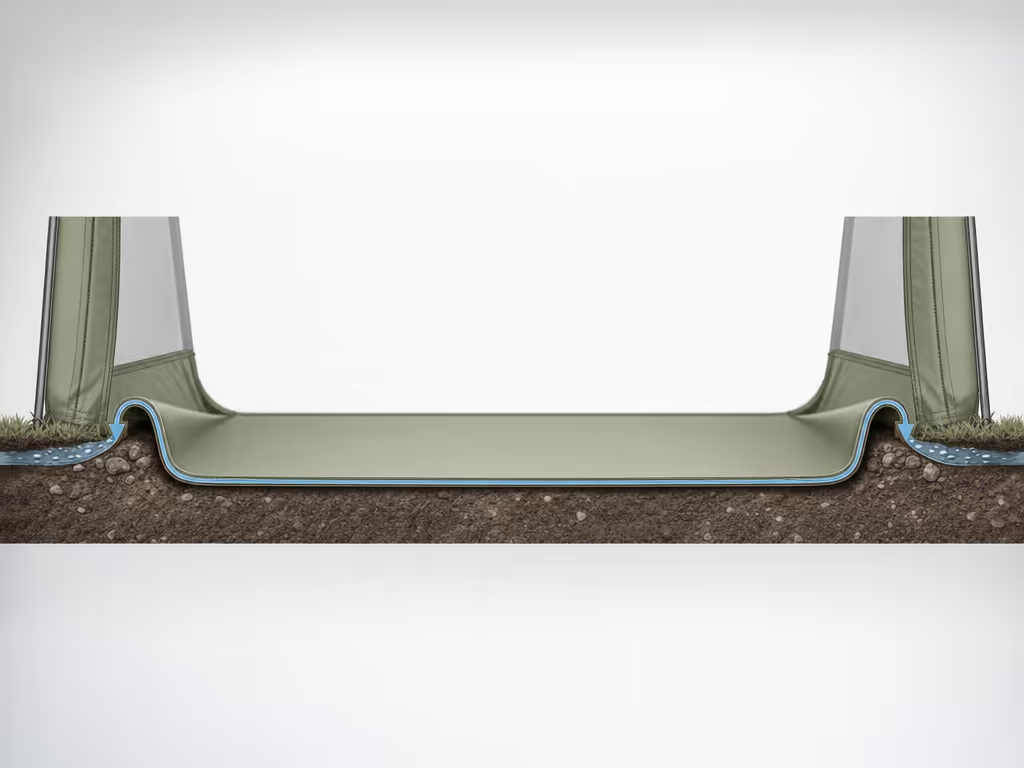
The comparison point that matters: seam placement
When a brand provides useful floor information, look for these details:
- A clear bathtub-floor designation: Does it actually say that the floor rises up the sides?
- A stated tent floor height: Is the depth measured from the flat floor to the seam, and is that measurement specific to the tent rather than a separate accessory?
- A view of the lower corners: Product photos can reveal whether the floor-wall join is visibly elevated, though a photo is not a substitute for a specification.
- Care guidance: Are cleaning, drying, and storage instructions available?
The evidence behind a product page matters. Look for direct construction details about the lower seam and floor-wall junction.
Does a Taller Bathtub Floor Mean a Drier Night?
Not automatically. The available evidence does not establish a universal minimum height or a ranking that makes one bathtub dimension best.
That is why I would not select a tent on bathtub height alone, or treat broad retailer language as a substitute for construction details. There is no supported universal minimum height, nor a supported ranking that says one bathtub dimension is the best.
Instead, make the decision in this order:
- Choose the campsite carefully. Clear pine cones, twigs, small rocks, and other sharp debris before pitching. This protects the floor from direct punctures.
- Keep dirt and grit off the floor. Dirt, grit, and pebbles can abrade and puncture it.
- Treat bathtub architecture as one layer of risk control. It can raise a vulnerable seam; it cannot turn poor siting or neglected damage into a dry-sleep system.
- Prefer disclosed details over implied protection. If the manufacturer or seller does not state bathtub construction or height, regard that point as unknown, not as absent, and not as present.
For a household tent that sees kids, paws, wet shoes, and repeated weekends, the less glamorous question is usually more important: how reliably can you clear campsite debris and remove grit from the floor between trips?
Tent Floor Durability: What Actually Wears First?
The High Peak listing’s polyethylene specification does not establish how durable that tent floor is. The Amazon Basics listing’s general polyester claim is not identified as a floor specification.
What is well established is the damage mechanism: dirt, grit, and pebbles on the tent floor can abrade and puncture it. That is a mundane failure path, and one of the most preventable.
The durability routine that pays for itself
For better tent floor durability, build four small actions into every trip:
- Clear the ground before pitching. For extra protection against ground moisture and abrasion, review this guide to tent footprint sizing before choosing or installing a groundsheet. Remove sharp debris rather than assuming the floor will take it.
- Sweep or shake out grit before packing. Dirt, grit, and pebbles on the floor can abrade and puncture it.
- Clean soiling gently. Use cold water, a non-abrasive sponge, and non-detergent soap; hand-scrub carefully, especially around coated areas. For a complete maintenance routine, see this step-by-step tent cleaning guide.
- Dry the tent completely before storage. Damp fabric can mildew, and moisture can chemically degrade waterproof coatings over time.
This is not greenwashing disguised as maintenance. It is total cost of ownership. A tent that serves more nights because you remove grit and dry it properly is usually better value than one replaced after preventable wear.
Product Examples: What the Available Specifications Do, and Do Not, Say
The following examples show why floor comparisons need discipline. Neither listing establishes a bathtub-floor height or confirms bathtub-floor construction, so neither belongs in a ranked bathtub-height table.
The High Peak Hyperlite 2-person Tent is listed with a polyethylene floor. That is a usable material disclosure, but it does not tell us where the floor-wall seam sits, whether the design is a bathtub floor, or how high the sidewall rises. The listing also gives dimensions of 7 x 3.75 x 5 feet, but not a separately stated usable floor area or bathtub-wall height.
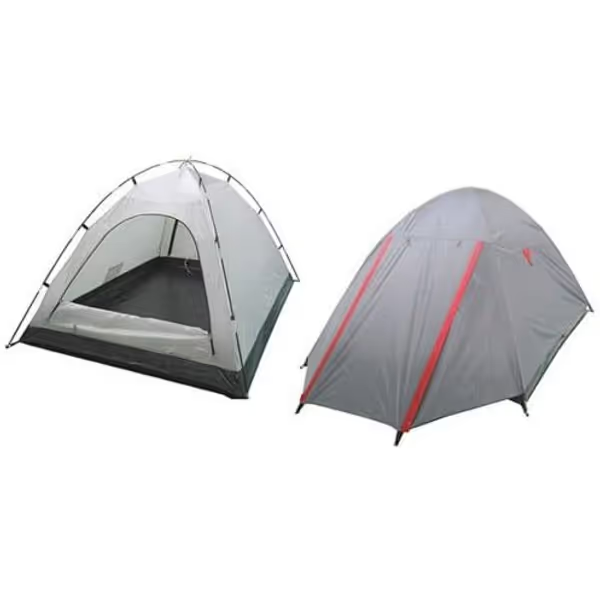
High Peak Hyperlite 2-Person Tent
Lightweight 2-person tent for hikers and backpackers with easy setup.
Weight6.6 pounds
Weight6.6 pounds
Pros
Lightweight and compact for hiking
Dual entrances for easy access
Quick pin-and-ring setup system
Cons
Polyethylene floor less durable than nylon
The responsible reading is therefore narrow: this is a tent with a retailer-listed polyethylene floor, not a verified example of a specific waterproof tent floor design. If bathtub geometry is central to your buying decision, ask the seller or manufacturer for a manual, a seam-height measurement, or clear lower-corner photos before you commit.
A different disclosure problem: general fabric is not floor fabric
The Amazon Basics Camping Tent, 3-Season Dome Design with Rainfly is listed as a three-season, two-person, freestanding dome tent with a 7 x 5-foot footprint and 45-inch center height. Those dimensions can help with fit planning. They do not establish usable floor area, bathtub-floor construction, or bathtub height.
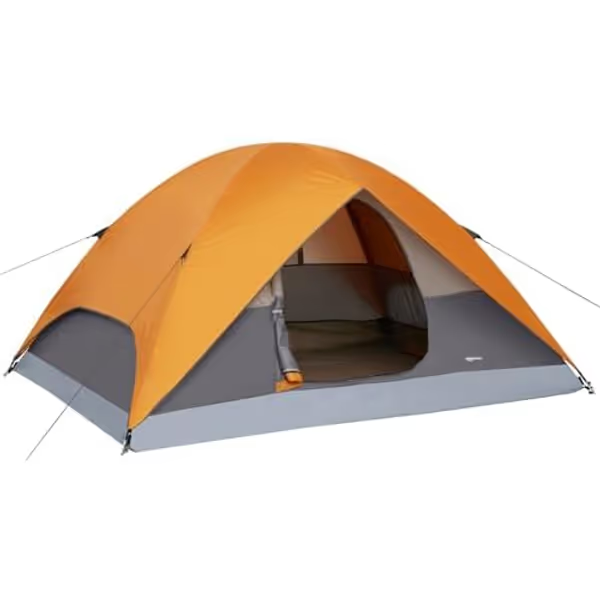
Amazon Basics 2-Person Dome Tent
Spacious, easy-setup 3-season tent for camping and backpacking.
Capacity2 Person (7'x5' footprint, 45" height)
Capacity2 Person (7'x5' footprint, 45" height)
Pros
Quick 4-minute setup with shock-corded poles.
Water-resistant with welded seams keeps you dry.
Spacious interior comfortably fits 2 adults.
Cons
Rainfly design can limit ventilation.
Customers love its spaciousness, easy setup, and how well it keeps them dry, noting its great value.
Customers love its spaciousness, easy setup, and how well it keeps them dry, noting its great value.
Its listing also uses a general polyester description, but that should not be read as confirmation of the floor material. If floor abrasion, dogs, or regularly damp ground are part of your use case, do not fill in missing specifications with assumptions. Ask for the actual floor material, construction, and warranty/service route.
That may feel fussy at checkout. It is cheaper than discovering that the feature you assumed was there was never documented.
What Is the Best Flooring for a Tent?
There is no single best floor material or best bathtub height supported by the available evidence. The right answer is a system decision:
| Your priority | What to prioritize | What not to assume |
|---|---|---|
| Wet or potentially pooled ground | A clearly documented raised floor-to-wall seam | That a raised seam makes every storm harmless |
| Frequent family or pet use | A floor you can inspect and clean; careful site preparation | That the High Peak polyethylene listing establishes floor durability |
| Long ownership | Clear care instructions | That replacement is more sustainable than maintenance |
| Confident comparison shopping | Specific construction details rather than missing construction details | That missing bathtub-height information means any particular height |
A bathtub floor does not establish complete wet-weather protection. The better purchase is the one whose construction is honestly disclosed and whose care needs fit the way you camp.
FAQ: Tent Floors, Dryness, and Long-Term Care
What is the floor of a tent called?
"Tent floor" is the plain, useful term. When the floor material rises up the lower sides before joining the walls, that construction is commonly described as a bathtub floor or bathtub tent floor.
Do all tents leak in heavy rain?
No universal answer is supported. A raised floor-to-wall seam can address one potential route for pooled ground water to enter, because the join is above ground level. But that does not establish how every tent behaves in heavy rain or account for other ways moisture can reach the interior.
Is there a completely waterproof tent?
Do not buy on an absolute claim. A bathtub floor can move one seam higher, but it is not evidence of complete waterproofness in every condition. Look for specific construction information, protect the floor from damage, and maintain it carefully.
How should I clean and store a tent floor?
Use cold water, non-detergent soap, and a non-abrasive sponge; gently hand-scrub dirty areas and be especially careful around coatings. Then dry the tent completely before storage. That routine helps avoid mildew and reduces the long-term harm moisture can cause to waterproof coatings.
Your Next Step: Compare the Seam Before You Compare the Slogan
Before buying, open a simple note on your phone and record three things for each candidate: confirmed floor material, confirmed bathtub-floor construction, and confirmed tent floor height. If any field is not stated, mark it "not disclosed." Then choose the tent with the clearest construction details and the fewest assumptions for your campsite and household.
That is how you get more quiet nights per dollar: protect the floor, remove grit, and keep a useful tent in service for seasons rather than treating it as a disposable purchase.
Related Articles