Wet Gear in Tent: Moisture Control Routines for Dry Sleep
By Eliza Kowalski • 7th Oct
What to do
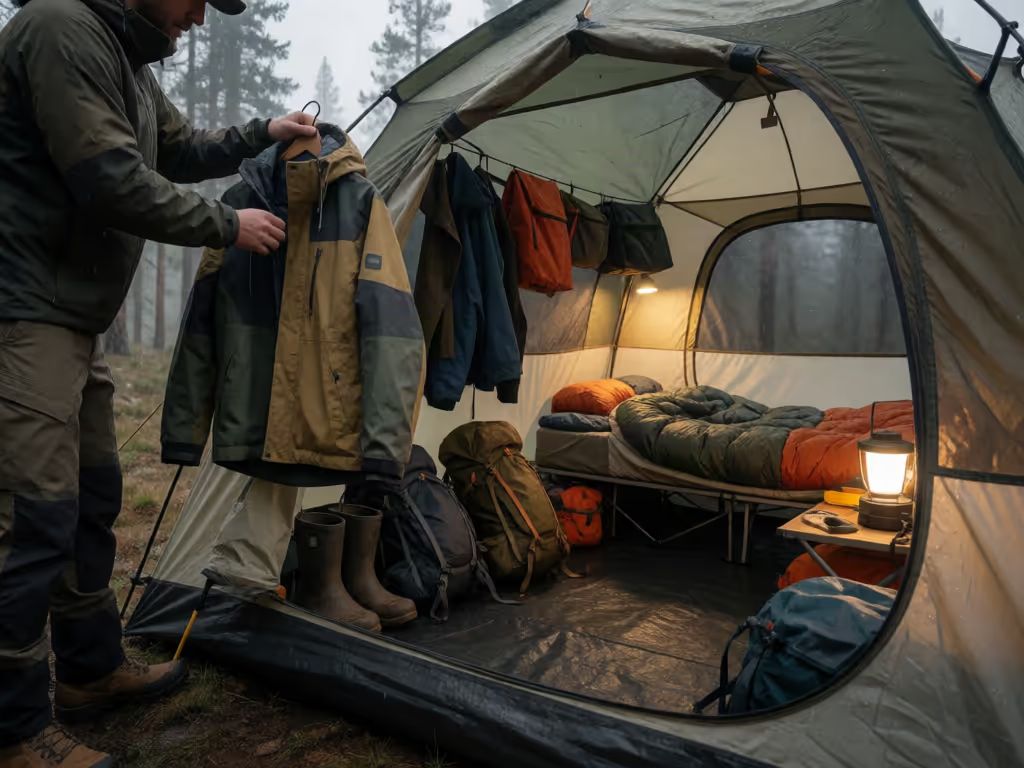
Keep the tent’s sleeping area dry by treating wet clothing, shoes, and muddy gear as an outside problem whenever conditions, security, and campsite rules permit. This protects bedding even when rain prevents complete overnight drying.
- Start with: Declare sleeping bags, pads, and dry sleep clothing a no-wet-gear zone. Remove wet footwear and outer layers before settling into bed.
- Then: Place damp items outside, preferably in a permitted tarp-supported drying location, and keep the same dry, transition, and wet zones each night.
- Important prerequisite: Never use a camping stove, charcoal grill, or lantern inside a tent to dry clothing or manage moisture; carbon monoxide can cause sudden illness and death.
Important: The evidence does not establish a universal wet-zone layout or a reliable way to dry soaked gear during continuous rain, so the routine contains moisture rather than promising overnight drying.
Managing wet gear in tent situations is less about finding a clever place to hang everything and more about protecting the small volume where you sleep. Effective tent moisture control begins with a firm boundary: sleeping equipment stays in the dry zone, and rain-wet clothing and shoes remain outside that zone whenever conditions and campsite rules allow. This modest routine is especially valuable for families, partners, and dog owners, where one muddy return can otherwise turn the whole tent into a damp, disorganized room.
Sea to Summit, in manufacturer-published care guidance, advises that bringing damp clothing into a tent adds humidity and can leave both the clothing and tent soggy. That is a useful practical premise, even though it is not an independent comparison of every tent moisture source. The goal is not heroics or overnight miracles of drying, rather it is to preserve a reliably dry sleep system.
Evidence before anecdotes: protect the sleeping area first, then decide what can reasonably stay outside.
FAQ: What creates moisture in a tent at night?
Are wet clothes the only problem?
No. Sleeping occupants are themselves a moisture source. Sea to Summit states that people exhale upward of one litre of moisture while sleeping, and that vapour can condense when it reaches relatively colder tent walls. Treat that figure as the company's guidance rather than an independently established measurement.
Wet clothing, wet shoes, and muddy equipment are different because they are optional additions to the sleeping space. Their presence can make an already humid small shelter harder to manage. For this reason, the most dependable response is not to attempt to eliminate all moisture, but to avoid importing more of it than the sleeping area needs to carry.
The evidence available does not establish a precise ranking among occupants, clothing, footwear, or other tent moisture sources. It does support a straightforward priority: keep rain-wet items out of the inner sleeping area.
FAQ: Where should wet gear go if it should not come into the tent?
Is an outdoor drying area the best default?
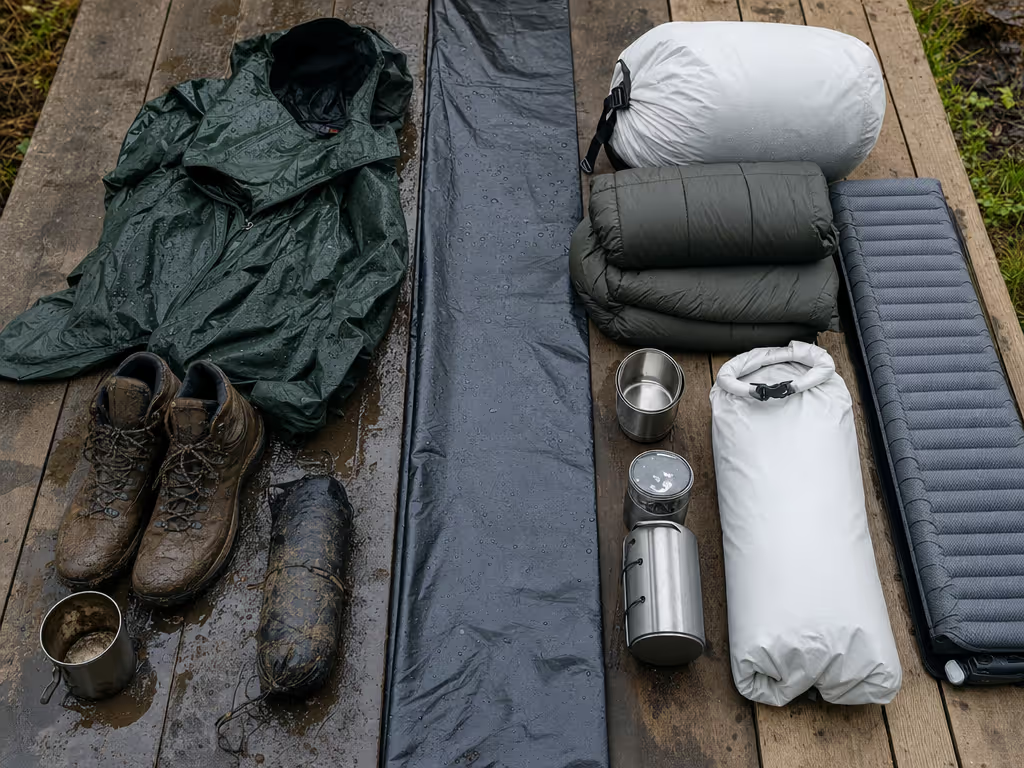
Where weather, regulations, security, and the campsite permit it, use an outside location for rain-wet clothes and shoes. Sea to Summit specifically recommends drying such items outside the tent and suggests hanging clothing outside under a tarp. For additional ways to manage wet-weather gear, see these rain-ready tent accessories, including tools designed to improve protection and moisture control during storm setup. This is a useful direction, not a universal layout: the available evidence does not define an ideal distance from the tent, a required tarp configuration, or a reliable method for drying thoroughly during continuous rain.
The practical distinction matters:
- Dry zone: sleeping bags, pads, night clothing, and any item that must remain dry for comfort.
- Wet zone: shoes, rain layers, muddy outerwear, and other items that arrive wet.
- Transition zone: the brief handoff between the two (where a person changes out of wet layers without spreading them across bedding).
For a partnered or family tent, make the transition zone a sequence rather than a pile: wet shoes off, wet shell off, dry sleep items on, then the wet items return to the outdoor area. A designated spot reduces the late-night search that causes someone to step over pads or place a dripping jacket on a sleeping bag.
How should a campsite be organized without expanding its impact?
Keep the system compact and consistent with local rules. Leave No Trace advises concentrating tents, traffic routes, and kitchen areas on already impacted areas at high-use sites, rather than expanding disturbance. Its arid-land guidance also places tents, cooking areas, and backpacks on durable surfaces such as rock, sand, or gravel.
That does not mean every campsite has a prescribed wet-gear station. It means the drying and gear routine should not sprawl into vegetation merely to gain a little more elbow room. Use the durable, permitted space available, and follow site-specific restrictions.
A simple workflow diagram is often enough:
arrival from rain → wet zone → change into dry sleep clothing → dry zone
 ↓
 outside drying location, when feasible
On one sodden shoulder-season loop, I found that marking the drip-side lanes at dawn clarified the entire morning: socks had a lane, the stove had a separate lane, and the dog did not cross either. The forecast missed; the routine did not. Measured routines turn storms into ordinary, manageable mornings.
FAQ: Can I dry wet clothes inside the tent if rain is ongoing?
What is the least risky answer?
If your objective is to prevent a damp sleeping bag, avoid treating the tent interior as the drying room. The available guidance supports keeping damp clothes outside because they add humidity inside. It does not support a dependable indoor technique for drying soaked gear during prolonged rain.
That limitation is worth accepting. A wet jacket may remain wet overnight; a sleeping bag does not need to join it. Put the comfort-critical items first:
- Keep wet footwear and outer layers out of contact with sleeping bags and pads.
- Change into dry sleep clothing before settling onto bedding.
- Keep the remaining dry clothing with the sleep system, rather than mixing it into the wet-gear pile.
- Reassess in the morning rather than repeatedly bringing wet items into the sleeping area to check them.
This is a containment routine, not a promise of overnight drying. It is more honest (and generally more useful) than assuming that camping gear drying tent methods will solve sustained wet weather.
Should I use a stove or lantern to dry clothes inside?
No. A public-health carbon-monoxide prevention document states: never use a charcoal grill, camping stove, or lantern inside a tent. It characterizes carbon monoxide as colourless and odourless and warns that inhalation can cause sudden illness and death.
Do not treat cooking inside the tent as a moisture-management workaround. Community advice sometimes suggests using a ventilated vestibule, but that advice conflicts with the stronger public-health warning and should not be relied upon as a safety exception. Keep combustion cooking outside the tent.
FAQ: What should be done before bed after a wet hike or a day at camp?
What is the fastest repeatable routine?
Use a short, predictable reset rather than deciding anew each night. For most campers, the following sequence protects sleep without requiring a complicated camp system:
- Declare the dry zone. Before anyone lies down, identify the pads and sleeping bags as no-wet-gear territory.
- Separate wet arrivals. Shoes, rainwear, and damp packs go to the outside wet zone or an outside tarp-supported location when feasible.
- Change deliberately. Put on dry sleep clothing before entering bedding; do not sort wet clothing across the pad.
- Keep the route clear. Give each person a direct path from door to their sleeping position. This matters when children, pets, or a late-night bathroom trip turn a tidy tent into a crowded one.
- Repeat the same placement. Put the same categories in the same places each evening. Repeatability lowers the odds of a damp sock or jacket being misplaced onto someone's sleep system.
FAQ: What should I do in the morning with gear that is still wet?
Is the routine still useful if nothing dries overnight?
Yes. The relevant outcome is not whether every garment is dry by breakfast. For guidance on drying and caring for damp shelter materials after the trip, follow this tent cleaning and drying guide. It is whether the bedding and designated dry clothing stayed protected through the night.
Further exploration: build a routine your group can repeat
Before your next rainy trip, sketch your tent's dry zone, transition zone, and outdoor wet zone on paper. Then test the choreography at home with the actual number of sleepers, pads, bags, and pet items you expect to bring. Once the trip is over, see these tent storage solutions. Do not look for a perfect drying trick. Look for a layout in which everyone can enter, change, and sleep without wet gear crossing the bedding.
For tent moisture control, that is the margin that matters: fewer damp surprises at bedtime, and more ordinary mornings afterward.
Related Articles